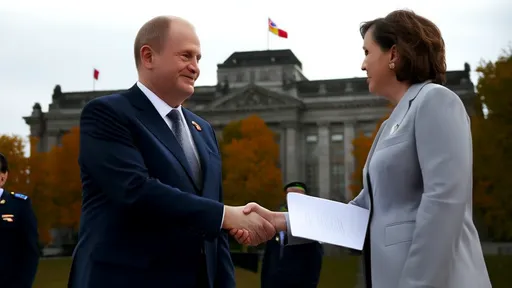
Germany and Canada have forged a landmark agreement aimed at securing critical mineral supply chains, marking a significant step in reducing dependency on single-source providers. The pact, signed during high-level talks between officials from both nations, underscores a growing global recognition of the strategic importance of diversifying sources for minerals essential to modern technology and green energy transitions.
The agreement focuses on cooperation in the exploration, processing, and recycling of critical minerals such as lithium, cobalt, and rare earth elements. These minerals are vital for manufacturing batteries, wind turbines, electric vehicles, and other high-tech products. By collaborating, Germany and Canada aim to create a more resilient and sustainable supply chain that can withstand geopolitical tensions, market fluctuations, and logistical disruptions.
This partnership is particularly timely, as many countries are reevaluating their reliance on dominant suppliers, notably China, which currently controls a large share of the global critical minerals market. The European Union, for instance, has identified critical raw materials as a key area for strategic autonomy, and Germany’s move aligns with broader EU efforts to secure alternative sources. Canada, with its abundant mineral resources and stable political environment, emerges as an ideal partner in this endeavor.
Canadian officials have emphasized that the agreement not only benefits Germany’s industrial needs but also supports Canada’s ambitions to become a global leader in responsible mineral production. The country has vast untapped reserves of critical minerals and is keen to develop its mining sector in an environmentally and socially sustainable manner. This aligns with Germany’s emphasis on high environmental and labor standards, ensuring that supply chain resilience does not come at the expense of ethical considerations.
The collaboration is expected to involve joint investments in mining projects, research and development initiatives, and the establishment of processing facilities. By working together, the two countries hope to accelerate the development of new technologies for mineral extraction and recycling, thereby reducing the environmental impact of mining activities. This technological cooperation could set new benchmarks for the industry worldwide.
From a economic perspective, the agreement is likely to stimulate job creation and innovation in both nations. German companies, which are heavily invested in the automotive and renewable energy sectors, will gain more secure access to the raw materials needed for their products. Meanwhile, Canadian mining firms may benefit from increased investment and expertise, helping them scale up operations and adopt more advanced technologies.
The geopolitical implications of this partnership are also noteworthy. As tensions between Western nations and China continue to influence global trade dynamics, agreements like this one reinforce the trend toward forming alliances based on shared values and strategic interests. By strengthening ties with Canada, Germany is not only securing its supply chains but also contributing to a broader realignment of global economic relationships.
However, challenges remain. Developing new mining projects and processing facilities takes time, and it may be years before the full benefits of this agreement are realized. Additionally, both countries must navigate regulatory hurdles and ensure that their cooperation adheres to international trade rules. Environmental groups may also scrutinize the expansion of mining activities, demanding strict adherence to sustainability criteria.
Despite these challenges, the Germany-Canada critical minerals agreement represents a proactive approach to addressing one of the most pressing issues of the modern economy. It reflects a shift from reactive measures to strategic, long-term planning, emphasizing collaboration over competition in the quest for resource security. As other nations watch this partnership unfold, it may serve as a model for similar agreements around the world.
In conclusion, the pact between Germany and Canada is more than just a bilateral trade deal; it is a statement of intent to build a more stable and ethical global supply chain for critical minerals. By leveraging each other’s strengths, the two countries are positioning themselves at the forefront of the green energy revolution while reducing their vulnerability to external shocks. This initiative could have far-reaching effects, influencing how nations approach resource security in the decades to come.
By /Sep 15, 2025

By /Sep 15, 2025
By /Sep 15, 2025

By /Sep 15, 2025

By /Sep 15, 2025

By /Sep 15, 2025

By /Sep 15, 2025

By /Sep 15, 2025

By /Sep 15, 2025

By /Sep 15, 2025

By /Sep 15, 2025

By /Sep 15, 2025
By /Sep 15, 2025

By /Sep 15, 2025

By /Sep 15, 2025
By /Sep 15, 2025

By /Oct 10, 2025

By /Sep 15, 2025

By /Sep 15, 2025
By /Sep 15, 2025
