Despite Mexico's recent imposition of 50% tariffs on Chinese-made vehicles, industry analysts suggest that Chinese automakers retain significant cost advantages that may continue to fuel their expansion in international markets. The tariffs, announced as part of broader trade adjustments, were widely seen as a measure to protect domestic manufacturers and align with regional trade policies. However, the underlying economic dynamics indicate that Chinese companies are well-positioned to absorb these costs without severely undermining their competitive edge.
Chinese automakers have built their success on massive economies of scale, integrated supply chains, and substantial government support, allowing them to produce vehicles at lower costs than many global competitors. This structural advantage means that even with additional tariffs, the landed price of Chinese cars in Mexico often remains competitive against equivalent models from other countries. Experts point out that the efficiency of production in China, coupled with advancements in electric vehicle technology, provides a buffer against tariff barriers.
Moreover, the strategic focus of Chinese firms on emerging markets, including Latin America, has involved flexible pricing and localization strategies that mitigate tariff impacts. Many companies are already exploring or implementing local assembly operations in Mexico and neighboring countries to circumvent high import duties. This approach not only reduces costs but also aligns with regional trade agreements and consumer preferences for locally produced goods.
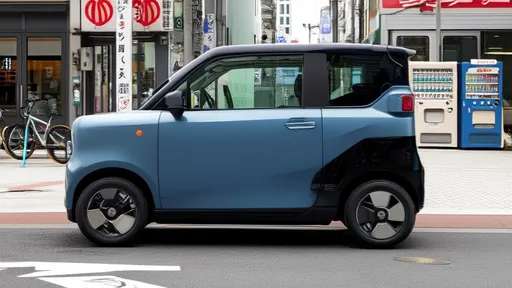
The Mexican automotive market, which is one of the largest in the region, has seen growing consumer interest in affordable and technologically advanced vehicles—a niche that Chinese brands have effectively occupied. Brands such as MG, Chery, and JAC have gained traction by offering features typically found in premium models at more accessible price points. This value proposition continues to resonate with cost-conscious consumers, even amid price adjustments due to tariffs.
Additionally, the global shift toward electric vehicles (EVs) plays to China's strengths, as the country dominates the production of EVs and their components, including batteries. Chinese EV manufacturers benefit from well-established supply chains and significant investment in research and development, enabling them to offer competitive products worldwide. With Mexico and other Latin American countries increasingly promoting EV adoption through incentives and infrastructure projects, Chinese automakers are poised to capture a substantial share of this growing market.
Trade dynamics between China and Mexico are also influenced by broader geopolitical and economic factors. While tariffs may provide short-term protection for local industries, they are unlikely to reverse the long-term trend of globalization and supply chain integration. Chinese automakers have demonstrated resilience in navigating trade barriers through innovation, strategic partnerships, and market adaptation. As one analyst noted, the response to tariffs is not just about absorbing costs but also about evolving business models to sustain growth.
In conclusion, while the 50% tariff presents challenges, it is not insurmountable for Chinese automakers. Their inherent cost advantages, combined with strategic market initiatives, suggest that they will continue to be key players in Mexico and beyond. The situation underscores the complex interplay between trade policy and global market forces, where efficiency and adaptability often prevail over protective measures.

By /Sep 15, 2025

By /Sep 15, 2025
By /Sep 15, 2025
By /Sep 15, 2025

By /Sep 15, 2025

By /Sep 15, 2025

By /Sep 15, 2025

By /Sep 15, 2025

By /Sep 15, 2025

By /Sep 15, 2025

By /Sep 15, 2025

By /Sep 15, 2025

By /Sep 15, 2025

By /Sep 15, 2025
By /Sep 15, 2025
By /Sep 15, 2025
By /Oct 10, 2025

By /Sep 15, 2025

By /Sep 15, 2025

By /Sep 15, 2025
