Iraq's oil exports surged to 104.7 million barrels in July, marking a significant milestone in the nation's energy sector and signaling ongoing shifts in global energy supply dynamics. This substantial volume not only underscores Iraq's growing influence in the oil market but also reflects broader geopolitical and economic currents reshaping energy flows worldwide. As traditional suppliers face production constraints and new consumer demands emerge, Iraq's rising output positions it as an increasingly pivotal player in meeting global energy needs.
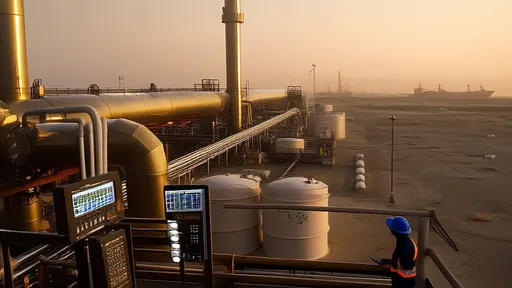
The consistent increase in Iraq's oil exports can be attributed to several factors, including enhanced infrastructure, strategic partnerships with international oil companies, and relatively stable production conditions in key regions. Major oil fields in the south, such as Rumaila and West Qurna, have been operating at near-full capacity, bolstered by technical improvements and investment inflows. Moreover, the Iraqi government's efforts to streamline export processes and minimize disruptions have paid off, allowing for smoother and more reliable shipments to international markets.
This surge in exports comes at a time when global energy markets are experiencing profound transformations. The ongoing conflict in Eastern Europe has disrupted traditional supply routes, forcing many nations to seek alternative sources of crude oil. Iraq has adeptly capitalized on this opportunity, increasing its market share in Asia and Europe. Countries like China and India, which are heavily reliant on imported oil, have ramped up purchases from Iraq, diversifying their energy portfolios away from other troubled suppliers.
Furthermore, the global push towards renewable energy and decarbonization is paradoxically reinforcing the importance of reliable oil suppliers in the short to medium term. As nations transition to greener alternatives, the stability provided by consistent oil producers like Iraq becomes crucial to avoid energy shortages during the shift. Iraq's ability to maintain and even boost production offers a buffer against potential volatility in energy prices, providing a sense of security to consuming nations navigating the complexities of energy transition.
However, Iraq's success is not without challenges. Political instability, infrastructural bottlenecks, and security concerns in certain regions continue to pose risks to sustained production growth. The nation's heavy dependence on oil revenues also makes its economy vulnerable to price fluctuations in the global market. Diversifying the economy remains a long-term goal, but for now, oil exports are the lifeblood of Iraq's fiscal health, funding essential public services and development projects.
Looking ahead, Iraq's role in the global energy landscape is likely to expand further. With plans to increase production capacity and develop untapped reserves, the country is poised to remain a key supplier for years to come. International investors and energy analysts are closely watching Iraq's progress, recognizing its potential to influence oil prices and supply stability. As the world grapples with energy security and transition challenges, Iraq's evolving export strategy will be critical in shaping the future of global energy distribution.
In conclusion, Iraq's record oil exports in July are more than just a monthly statistic; they are a testament to the country's resilience and strategic positioning in a rapidly changing energy environment. While obstacles remain, the continued growth in exports highlights Iraq's capacity to adapt and thrive, offering valuable lessons for other energy-dependent economies. The ongoing shifts in global supply patterns underscore the need for agile and forward-thinking policies, both in producing and consuming nations, to ensure a stable and sustainable energy future for all.
By /Sep 15, 2025

By /Sep 15, 2025

By /Sep 15, 2025

By /Sep 15, 2025

By /Sep 15, 2025

By /Sep 15, 2025
By /Sep 15, 2025
By /Sep 15, 2025

By /Sep 15, 2025

By /Sep 15, 2025

By /Sep 15, 2025

By /Sep 15, 2025

By /Sep 15, 2025

By /Sep 15, 2025

By /Sep 15, 2025
By /Sep 15, 2025

By /Oct 10, 2025

By /Sep 15, 2025

By /Sep 15, 2025

By /Sep 15, 2025
