The balmy shores of Hainan Island witnessed a significant convergence of global economic minds this week as the 11th World Free Zones Organization Annual International Conference & Exhibition commenced in Haikou. Against the backdrop of China's ambitious Hainan Free Trade Port initiative, the four-day gathering has drawn over 1,300 delegates from more than 50 countries, representing a diverse cross-section of free zones, investment promotion agencies, and international trade organizations.
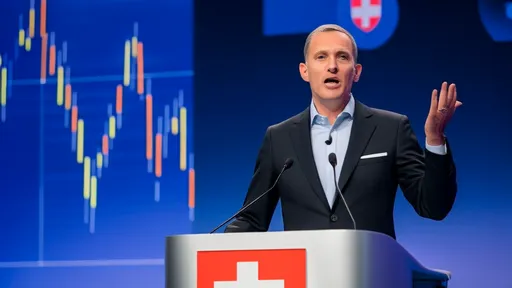
The conference theme, "Global Prosperity and Sustainable Innovation," resonates profoundly in an era marked by geopolitical tensions, supply chain reconfigurations, and increasing climate pressures. Dr. Mohammed Al Zarooni, Chairman of the World Free Zones Organization, set the tone in his opening address, emphasizing that "free zones are no longer merely tax-advantaged enclaves for export processing, but critical nodes in a re-globalizing world economy that must balance commercial competitiveness with environmental stewardship and social inclusion."
The choice of Hainan as the host location carries deep symbolic weight. The island province is undergoing a historic transformation into a globally influential free trade port by 2025, with policies designed to facilitate the free flow of goods, capital, and talent. Chinese officials presented the Hainan model as a living laboratory for next-generation special economic zones, one that integrates high-standard liberalization with stringent ecological red lines. "We are not just building a free trade port; we are crafting a sustainable development paradigm for the 21st century," declared a senior representative from the Hainan Provincial Government during the plenary session.
A central thread weaving through the conference discussions has been the urgent need to redefine the very purpose of free zones. For decades, their success was measured primarily by investment volumes, export figures, and job creation. While these metrics remain important, a new consensus is emerging that long-term viability depends on integrating the United Nations Sustainable Development Goals into their operational DNA. Panelists from Europe, the Middle East, and Southeast Asia shared case studies of zones implementing circular economy principles, achieving carbon neutrality, and fostering inclusive local supply chains. The message was clear: the license to operate is increasingly tied to a demonstrable commitment to sustainability.
Technological innovation, particularly the application of Artificial Intelligence and blockchain, featured prominently in the dialogue. Experts detailed how smart free zones are leveraging AI for predictive customs clearance, optimizing energy consumption in industrial parks, and enhancing supply chain visibility. One compelling presentation from a Latin American delegate showcased a blockchain platform that tracks the carbon footprint of goods moving through their zone, providing verifiable ESG data to increasingly conscious global consumers and investors. This digital transformation, participants agreed, is not merely an efficiency upgrade but a fundamental reinvention of governance and service delivery within special economic areas.
The geopolitical dimension of free zones was another critical area of exploration. In a world where trade blocs are realigning and "friend-shoring" is gaining traction, free zones are finding themselves at the nexus of new economic alliances. Several sessions analyzed how zones can position themselves as neutral, trusted hubs that can bridge divides and facilitate South-South cooperation. The role of free zones in building resilient supply chains for essential goods, such as medical supplies and food staples, was highlighted as a key lesson from the recent pandemic and ongoing global disruptions.
A notable shift in focus at this year's conference has been the emphasis on "soft infrastructure" and human capital. Beyond the traditional discussions about roads, ports, and utilities, significant airtime was dedicated to developing regulatory frameworks that are both business-friendly and robust, creating specialized education programs to build a future-ready workforce, and fostering innovation ecosystems that can attract and retain top talent. The success stories of zones in Dubai, Singapore, and Ireland were repeatedly cited as examples where a strategic focus on regulatory quality and human development created a durable competitive advantage far beyond initial tax incentives.
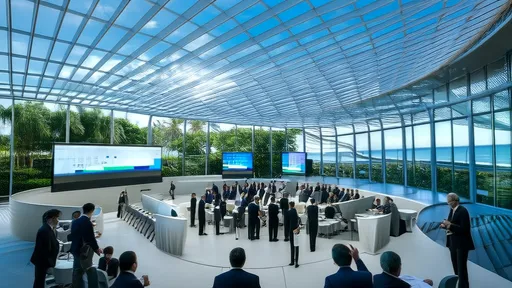
The exhibition hall adjacent to the conference rooms buzzed with activity, as free zones from across the globe competed to showcase their unique value propositions. The contrast was telling: established zones from Europe and North America emphasized their stability and advanced technological integration, while emerging zones from Africa and parts of Asia highlighted their demographic dividends, growing consumer markets, and potential as manufacturing alternatives. This dynamic mirrored the broader global economic rebalancing, with the traditional centers of economic gravity being challenged by ambitious new entrants.
As the conference enters its final day, the atmosphere is one of cautious optimism mixed with a palpable sense of urgency. The challenges are immense—from the climate crisis and digital divides to protectionist headwinds. Yet, the collective determination to evolve the free zone model is unmistakable. The closing session is expected to produce a "Hainan Consensus," a non-binding but influential set of principles guiding the development of sustainable and innovative free zones. This document is anticipated to call for greater collaboration on green standards, digital interoperability between zones, and knowledge-sharing platforms to help less developed zones leapfrog outdated development models.
The 11th WFZO conference has undoubtedly solidified its role as the premier global platform for the special economic zone community. More importantly, it has charted a clear, if challenging, course for the future. The free zones that will thrive in the coming decades will be those that successfully transform themselves from isolated economic enclaves into integrated, intelligent, and responsible hubs of global prosperity. The journey from Hainan is just beginning.
By /Sep 15, 2025
By /Sep 15, 2025
By /Sep 15, 2025
By /Sep 15, 2025

By /Sep 15, 2025

By /Sep 15, 2025
By /Sep 15, 2025

By /Sep 15, 2025
By /Sep 15, 2025
By /Sep 15, 2025

By /Sep 15, 2025
By /Sep 15, 2025
By /Sep 15, 2025
By /Sep 15, 2025

By /Sep 15, 2025
By /Sep 15, 2025
By /Oct 10, 2025

By /Sep 15, 2025
By /Sep 15, 2025
By /Sep 15, 2025
